Most resorts that claim they’re “good for team building” just mean they have a pool and a function room. But a resort that’s actually built for 30 to 100 employees needs a lot more than that. Figuring out what to check before you book is the whole point of this guide.
This is for the HR officer, admin staff, or office “fun committee” head who’s been told to find a venue for the company outing. By the end, you’ll know exactly what to ask resorts before you commit a deposit.
What Makes a Resort Good for Team Building, at a Glance
| Detail | Quick Answer |
|---|---|
| Most important factor | Activity space that fits your headcount — not just the pool |
| Common dealbreaker | No covered area for rain or midday heat during program proper |
| Group size sweet spot | Most “team building ready” resorts are built for 30–80 pax |
| Food setup to ask about | Buffet vs packed meals — affects timing and program flow |
| Often overlooked | Sound system rental, generator backup, and parking for company buses |
| Best way to verify | Site visit or video call walkthrough, not just the resort’s photo gallery |
It’s Not About the Nicest Resort — It’s About the Right Layout for Your Headcount
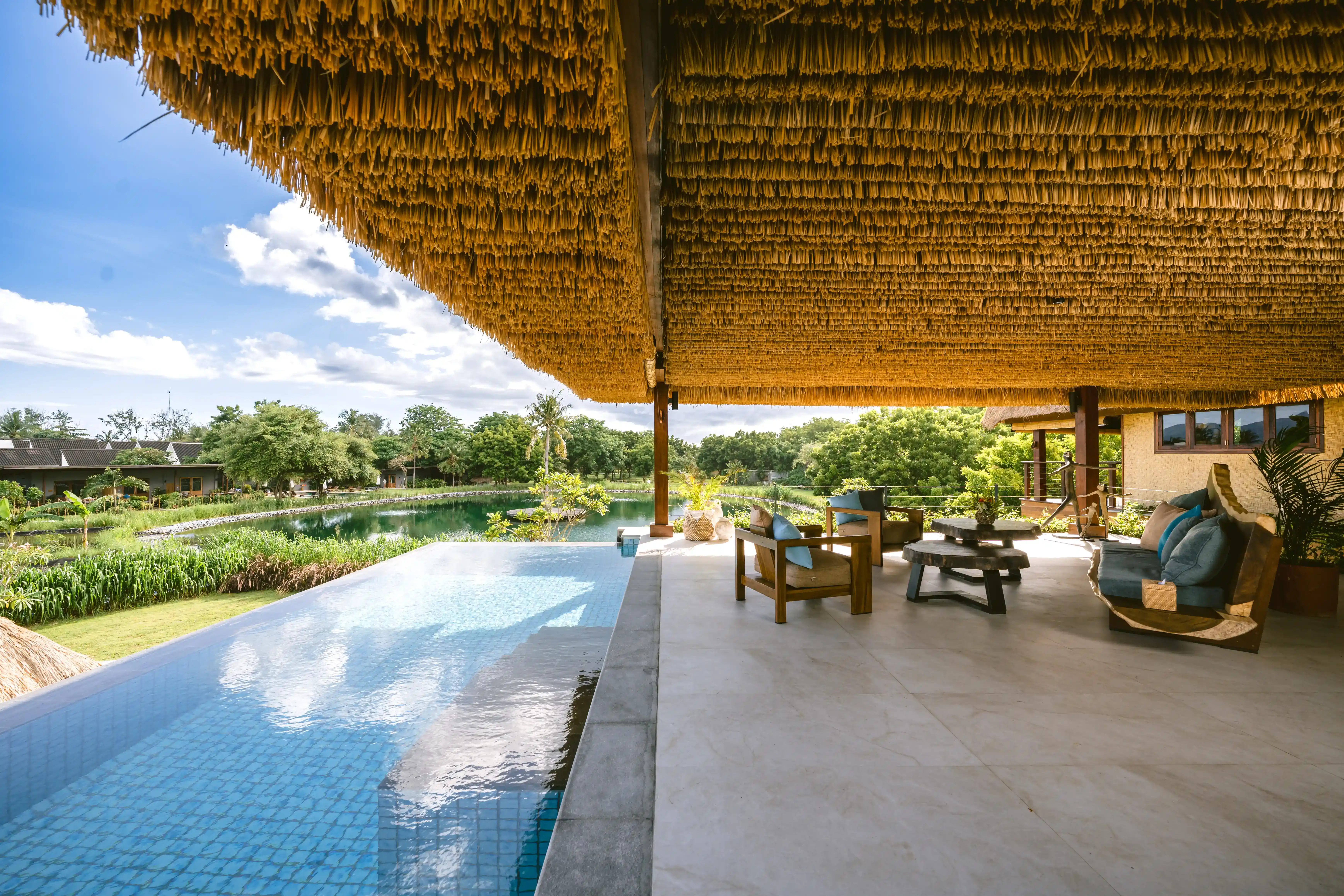
Here’s the assumption that trips up most organizers: a resort that looks impressive in photos will work for a team building. It often won’t. The resort isn’t bad — most resorts simply prioritize individual guest experience over group activity flow. A beautiful infinity pool means nothing if there’s no flat, open space nearby where 50 people can stand in a circle for an icebreaker.
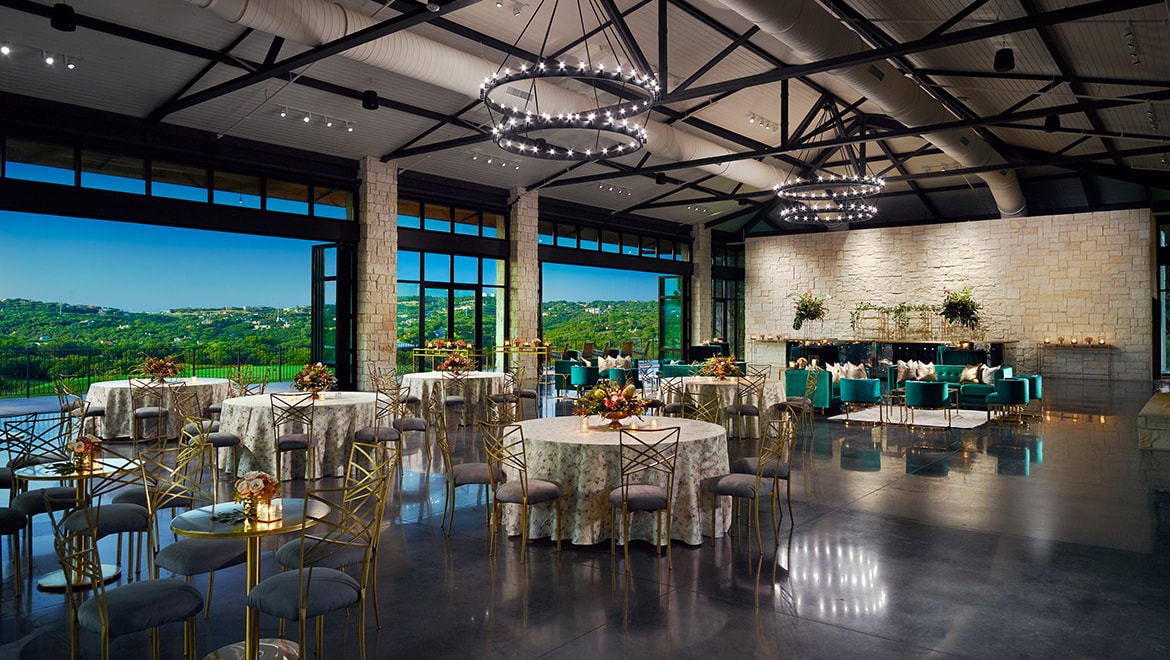
What actually makes a resort good for team building is whether its physical layout supports a program — a sequence of activities that needs space to move people around, a place to gather everyone for announcements, and an area that can handle noise without disturbing other guests (if the resort isn’t exclusive-use). A resort with a smaller pool but a large open field, a covered pavilion, and a separate function hall will outperform a “prettier” resort every time for this purpose.
This is the lens to use for everything else in this guide: not “is this resort nice,” but “does this resort’s layout match what our program actually needs to happen.”

Why Most “Team Building Ready” Resorts Aren’t
Search “team building resort Philippines” and almost every result will use the phrase “perfect for team building” somewhere in its description. In practice, this usually just means the resort has hosted a corporate group before — once, maybe with 15 people, maybe years ago. It doesn’t mean the resort has the infrastructure to repeat that experience for your group of 60.
The pattern that keeps repeating: an organizer books based on the resort’s marketing copy and photos. They arrive to find the “function hall” is actually a covered dining area that seats 30 comfortably. The sound system is a single speaker meant for background music, and the staff has never coordinated a multi-activity program before. None of this means the resort lied — it means the organizer treated “team building friendly” as a verified claim instead of a marketing phrase.
The fix isn’t to distrust every resort listing. It’s to treat “good for team building” as a question you verify, not a label you take at face value — which is exactly what the sections below help you do.
Activity Space and How It Shapes Your Program
Before anything else, map your program against the resort’s actual spaces. A typical half-day team building has three space needs: an open area for energizers and group games, a covered or shaded area for briefings and team challenges (especially important during summer or rainy season), and a gathering point for meals and closing activities. Some resorts cover all three with one large multi-purpose space. Others split them across a field, a pavilion, and a dining hall.
Here’s what to check, in order:
- Open space capacity: Ask for the actual usable area in square meters, not just “we have a big garden.” A garden full of plant boxes and walkways isn’t the same as a clear field.
- Covered backup space: Confirm there’s a roofed area that can hold your full group if it rains — not a smaller “VIP area” that only fits half. For programs that need to run rain or shine, it’s worth specifically checking out resorts with indoor activity options.
- Noise tolerance: If the resort isn’t exclusive-use, ask if other guests will be present and whether your activities (speakers, games with shouting) will be an issue.
- Power and sound: Confirm available outlets near your activity area and whether a sound system is included or needs separate rental.
If a resort can’t answer these specifically — if every answer is “yes, no problem” without details — that’s often a sign no one has actually run a program there at your scale.

Overnight vs Day Tour: How Accommodation Changes the Math
One approach is to book a day tour resort — cheaper per head, simpler logistics, everyone goes home the same night. The other is to book overnight, which costs more but allows for evening activities, a more relaxed schedule, and team bonding outside the formal program (the dinner table conversations, the late-night card games). Both approaches are common for Philippine company outings. The right choice depends less on budget and more on what your company wants out of the event. If your group is on the smaller side, it’s also worth weighing Airbnb vs a resort for groups before committing to either format, since the trade-offs shift once you’re under 20–30 people.
If you go overnight, accommodation becomes its own evaluation category. A resort might have great activity space but only 40 sleeping spots across cramped dorm-style rooms — fine for a 30-person team, a problem for 70. Ask specifically:
| Question | Why It Matters |
|---|---|
| Total sleeping capacity vs your headcount | Resorts often quote “max capacity” optimistically — confirm actual bed count |
| Room types (dorms vs private rooms) | Affects whether management/staff need separate accommodations |
| Bathroom-to-guest ratio | A common bottleneck during morning prep before the program starts |
| Early check-in / late check-out availability | Important if your program runs longer than standard hours |
Day tours sidestep all of this, which is part of why they’re the default choice for groups under 40 — but they compress your entire program into fewer hours, so the activity space question from the previous section becomes even more important.

Feeding a Crowd Without Wrecking the Schedule
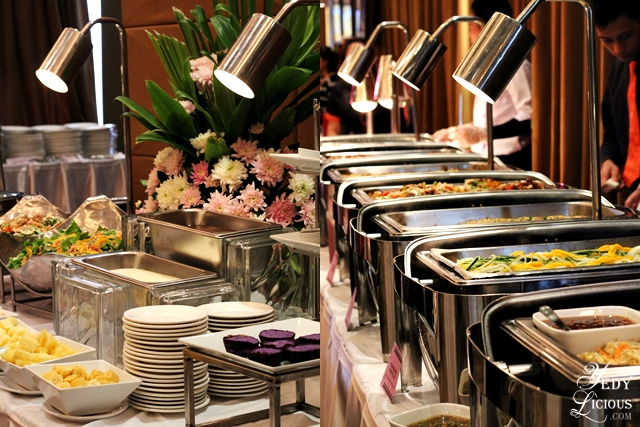
A team building program with 60 people and a buffet lunch can lose 45 minutes to queueing alone — and that 45 minutes usually comes out of the afternoon activities, not lunch itself, because the program “has to end on time” for the bus departure. This is one of the most common ways a well-planned team building day quietly falls apart.
The fix starts with matching the food setup to your group size and schedule, not just picking whatever the resort’s standard package includes:
- Buffet: Works well for groups under 40 with flexible schedules; gets slow past that without multiple serving stations.
- Packed meals / boxed lunches: Faster to distribute for large groups, especially when activities are spread across multiple areas.
- Plated service: Rare for team building setups, but some resorts offer it for the opening dinner if overnight — good for a more formal welcome.
- Snack stations during activities: Often overlooked, but useful for keeping energy up during longer afternoon programs without a formal break.
Whatever the setup, ask the resort how many serving staff will be assigned and how they’ve handled groups your size before. A resort that’s only ever served groups of 20 will likely underestimate how long 70 people take to move through a buffet line.

The Logistics Questions Everyone Forgets to Ask
Picture this: your company has booked two 30-seater buses for a Saturday team building in a resort just outside Metro Manila. The resort itself is great. But when the buses arrive, there’s nowhere to park except along the access road, and the driveway is too narrow for both to enter at once. You lose 45 minutes just getting everyone off the buses and into the venue.
This kind of thing rarely shows up in resort marketing because it’s not about the resort’s amenities — it’s about how the resort connects to the outside world. For a company group, this matters more than it does for a barkada arriving in a few cars. Some of the most commonly booked spots for company outings close to Metro Manila — Antipolo, Tagaytay, and Las Piñas among them — each have a different mix of drive time and access road conditions, which is worth checking against your bus size before you shortlist. Questions worth asking before booking:
- Is there parking or a drop-off area that can accommodate a coaster or bus, not just sedans?
- How far is the resort from the nearest major road, and is the access road passable by larger vehicles?
- Does the resort have backup power in case of a brownout — relevant for sound systems and any AV needs?
- Is there a designated staff contact for the day of the event, or will you be coordinating with whoever happens to be on duty?
None of these affect whether the resort is “nice.” All of them affect whether your event starts on time.
The Site Visit That Never Happens — And What It Costs You
Most organizers assume a resort’s photo gallery and floor plan are enough to evaluate it — after all, the photos show the pool, the rooms, the function area. What photos don’t show is scale. A function hall photographed with a wide-angle lens to look spacious might actually be cramped once you put in 60 chairs, tables, and a stage setup. A “garden area” might be beautiful but split across uneven terrain that makes group games awkward.
Skip that verification, and problems only surface on the actual event day — when there’s no time to adjust. The field activity moves to the parking area because the field is smaller than expected. The afternoon session runs over because lunch takes longer than planned in a dining area that can’t handle the headcount.
A full site visit isn’t always practical, especially for resorts outside Metro Manila. But a video call walkthrough — where resort staff walk you through the actual spaces with their phone camera, including the access road and parking — catches most of these issues for a fraction of the time and cost of an in-person visit.
How DrawingTayo Helps With This
Once you’ve narrowed down resort options using the criteria above, the next challenge is usually internal — getting sign-off from your team on which resort, gathering everyone’s dietary restrictions and t-shirt sizes, and tracking who’s actually attending versus who said “I’ll try.” DrawingTayo gives your group a shared space to organize all of that without it getting buried in a Viber or group chat thread, so by the time you’re ready to finalize the booking, you already know your real headcount and logistics needs.
FAQs About Choosing a Resort for Team Building
What size of resort is best for a 50-person team building?
Look for resorts that explicitly list a function hall or open activity area with a stated capacity of at least 60–70, since the actual usable space is often smaller than the listed maximum. Resorts built specifically for group bookings (rather than primarily for couples or families) tend to handle 50-person groups more smoothly.
Should we choose a resort with a pool or one with more activity space?
Activity space should take priority if your program includes structured games or icebreakers, since the pool is usually a free-time element rather than the core of the program. A resort with a smaller pool but a large covered area will generally serve a team building program better than one with an impressive pool but limited open ground. If a good pool is still a priority for your group once the activity space is sorted, our list of resorts with swimming pools in the Philippines is a reasonable place to start narrowing options.
Do we need to do a site visit before booking a resort for a company outing?
A site visit isn’t strictly required, but some form of verification — whether in person or via a video walkthrough — is strongly recommended for groups over 30. This is the most reliable way to confirm that the resort’s actual space matches what’s needed for your program, rather than relying on photos alone.
What questions should we ask a resort about team building packages?
Ask about actual usable space for activities (in square meters if possible), covered backup areas in case of rain, sound system availability, parking for buses or vans, and how many staff will be assigned to assist during the program. These cover the areas most likely to cause day-of problems if left unconfirmed.
Is a day tour or overnight stay better for team building?
A day tour is usually better for groups under 40 with a straightforward half-day program, while overnight stays suit groups that want evening bonding activities or a more relaxed two-day schedule. The choice depends more on your program goals than on budget alone, since overnight stays add accommodation logistics that day tours avoid entirely.
How far in advance should we book a resort for a company team building?
Most resorts suitable for groups of 30 or more require booking at least 4–6 weeks in advance, especially for weekend dates during peak months like March to May. Earlier booking also gives you more room to negotiate package inclusions like food setup and activity space access.
Final Thoughts
The resorts that work best for team building aren’t necessarily the ones with the best photos — they’re the ones whose actual layout, capacity, and logistics match what your program needs on the day. Verify before you book, not after.
DrawingTayo helps you gather attendance, dietary restrictions, and group preferences in one place, so once you’ve shortlisted resorts using this guide, your team can vote and confirm without the group chat back-and-forth.
Read Next
- Looking specifically at Bulacan? Here’s what to check before booking there
- Want a beachfront option instead? Our roundup of beachfront resorts in the Philippines
- Considering an Airbnb for a smaller team? Here’s whether it actually works for a group of 10
- Need a rain-proof pool option? Resorts with covered pools built for year-round use
- Prefer to stay close to the city? Pool resorts near Metro Manila
Image References
- Pavilion image reference: ABS-CBN — Cavite Ecopark
- Pool vs open field image reference: Pondok Santi — Rooftop Pool Lakeside View
- Pavilion interior image reference: Omni Hotels — Pavilion
- Resort room image reference: Resort Dorm Room
- Catering image reference: Kasal.com — Hizon’s Catering Food Tasting